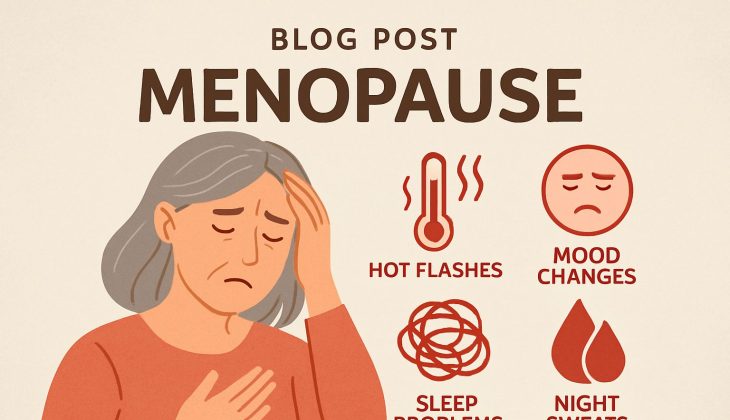
Estrogen levels decline during menopause, affecting much more than menstrual cycles. The change can influence hot flashes, vaginal and bladder health, bone density, mood, and other body systems.
Understanding what estrogen does—and how hormone therapy differs by type, dose, and timing—can make conversations with your healthcare provider much clearer.
What Happens as Estrogen Declines
Menopause is defined as 12 months without a period, but estrogen production usually begins changing years earlier. During perimenopause, levels can fluctuate before settling at a lower baseline.
As ovarian follicles decline, less estrogen is produced. This ends menstrual cycles and also affects estrogen-sensitive tissues throughout the body.
Systemic vs. Vaginal Estrogen
Systemic estrogen—available as pills, patches, gels, sprays, and some rings—circulates throughout the body and is commonly used for symptoms such as hot flashes and night sweats.
Low-dose vaginal estrogen is delivered by cream, tablet, or ring and acts mainly on vaginal and urinary tissues. It is often used when dryness, burning, painful intercourse, or urinary symptoms are the primary concern.
If you still have a uterus, a progestogen is generally prescribed with systemic estrogen to protect the uterine lining from endometrial cancer risk.
Hot Flashes and Night Sweats
Fluctuating estrogen can disrupt the brain’s temperature-control system, triggering hot flashes and night sweats. Systemic estrogen is an effective treatment for these symptoms because it helps stabilize temperature regulation.
Non-hormonal approaches are also available for women who cannot or prefer not to use estrogen.
Vaginal and Bladder Health
Lower estrogen can make vaginal tissue thinner, drier, and less elastic, contributing to irritation and painful intercourse. Because the bladder and urethra also contain estrogen-sensitive tissue, some women experience urinary urgency, leaking, or recurrent urinary tract infections.
Low-dose vaginal estrogen can directly treat these tissues while limiting systemic exposure.
Bone Health
Estrogen helps balance the normal breakdown and rebuilding of bone. When estrogen falls, bone loss can accelerate, increasing the long-term risk of osteoporosis and fractures.
Hormone therapy can help prevent bone loss, particularly when used around the menopausal transition in appropriate candidates.
Timing and Hormone Therapy
Timing is an important part of the hormone-therapy risk-benefit discussion. The article describes a generally more favorable profile when treatment begins before age 60 or within about 10 years of menopause, while starting later may carry greater risks.
Individual factors—including cardiovascular health, medical history, whether the uterus is present, and the symptoms being treated—matter when deciding whether hormone therapy is appropriate.
Benefits and Risks
Hormone therapy can relieve significant menopause symptoms, but it is not risk-free. Potential risks include blood clots, stroke, gallbladder disease, and certain cancer risks, depending on the type of therapy and the individual.
Estrogen-only and estrogen-plus-progestogen therapy do not have identical risk profiles. Women with a uterus generally need progestogen with systemic estrogen to protect the uterine lining, while women who have had a hysterectomy may be prescribed estrogen alone.
What the Women’s Health Initiative Changed
The Women’s Health Initiative (WHI) dramatically changed public attitudes toward hormone therapy after early findings raised concerns about risks. Later follow-up showed a more complicated picture, including important differences related to age, timing, and whether estrogen was used alone or with a progestogen.
The lesson is that hormone therapy should not be treated as one uniform treatment with the same risks for every woman.
Using the Lowest Effective Treatment
Modern treatment generally aims to match the therapy to the symptoms and individual risk profile. Women with only vaginal symptoms may need local rather than systemic estrogen, while systemic symptoms may require a different approach.
Regular follow-up with a healthcare provider allows treatment to be adjusted as symptoms, health risks, and preferences change.
Alternatives When Estrogen Isn’t Appropriate
Non-hormonal options can include lifestyle changes, cognitive behavioral therapy, certain prescription medications for hot flashes, vaginal moisturizers and lubricants, and other prescription treatments for vaginal discomfort.
The best choice depends on which symptoms are most disruptive and a woman’s individual health history.
Frequently Asked Questions
When is hormone therapy generally considered safest to start?
The article describes the more favorable window as before age 60 or within about 10 years of the final menstrual period. Individual risks still need to be evaluated with a healthcare provider.
Is vaginal estrogen different from systemic estrogen?
Yes. Low-dose vaginal estrogen acts mainly on vaginal and urinary tissues and produces less systemic exposure than pills, patches, or other systemic forms.
Why is progestogen prescribed with estrogen?
For women who still have a uterus, progestogen protects the uterine lining from the increased endometrial cancer risk associated with taking systemic estrogen alone.
The Bottom Line
Estrogen loss during menopause affects multiple parts of the body, and hormone therapy can be highly effective for certain symptoms. Whether it is appropriate depends on the symptoms being treated, the type and dose of therapy, timing, and personal health history.
A healthcare provider can help weigh those factors and determine whether systemic estrogen, local vaginal estrogen, a non-hormonal treatment, or another approach makes the most sense.
Join the Conversation